
Why Spray Foam?
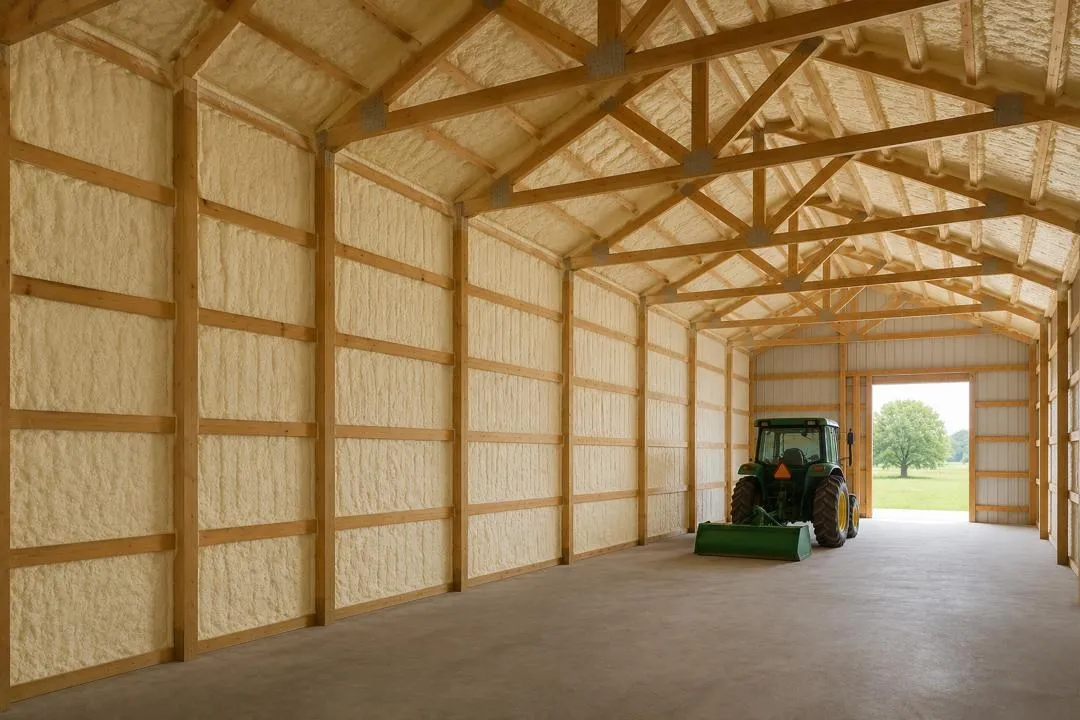
Spray foam is not just about filling a cavity. It is about how heat and air move through the roof, attic, wall, or commercial assembly.
The Assembly Matters More Than the Product Pitch
Arizona buildings often make the roof and attic the first place to investigate. If the roof absorbs heat, the attic runs hot, or air leaks through gaps and penetrations, insulation decisions should be made in context.
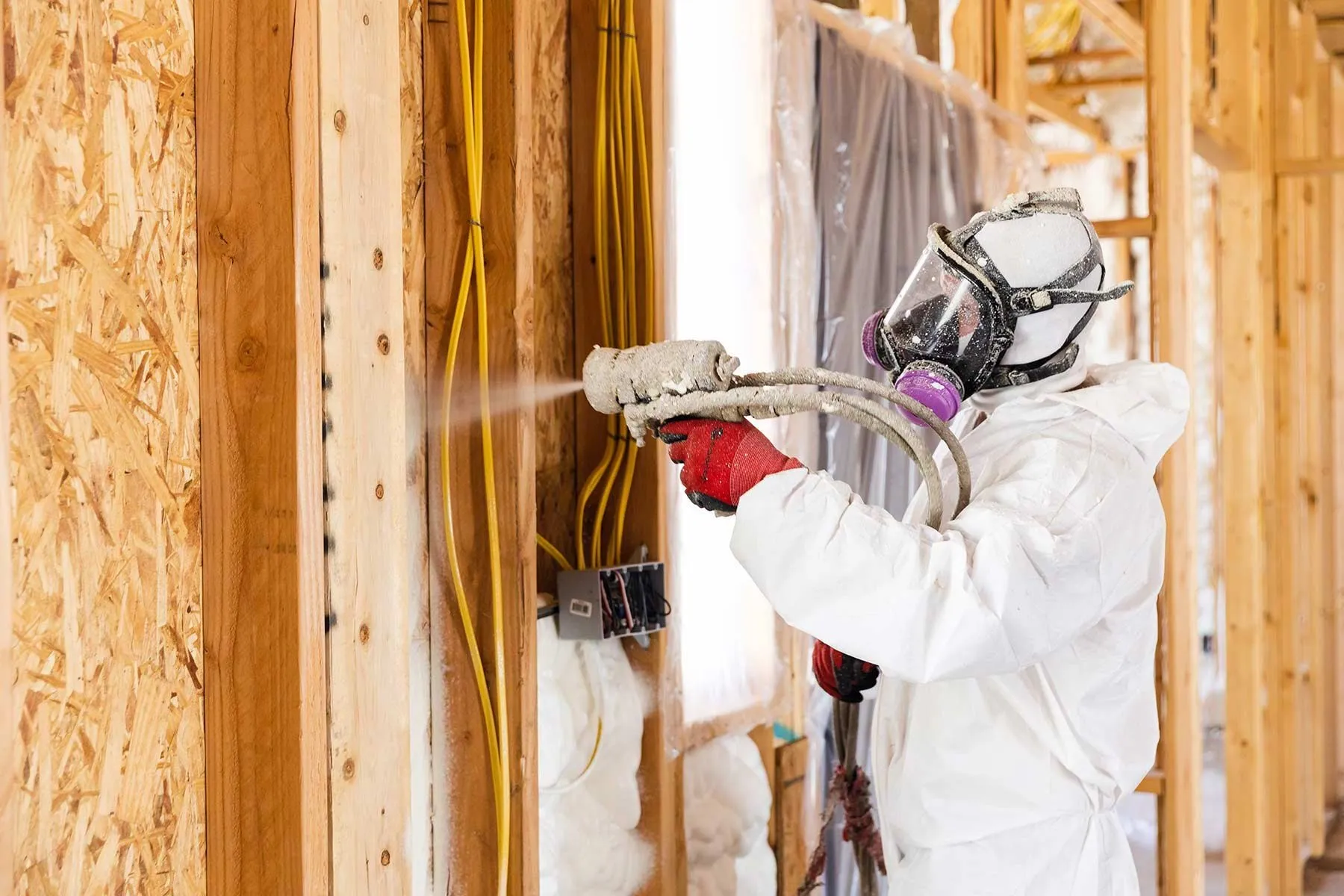
Spray foam expands during application and can conform to irregular spaces. That can help create a more continuous insulation and air-control layer where the assembly is appropriate.
That does not mean every building needs the same foam or that every traditional insulation product is wrong. Good guidance starts with the property.
Spray Foam, Fiberglass, and Cellulose Solve Different Problems
Spray Foam
- Insulation plus air-control potential
- Expands around irregular spaces
- Professional installation required
- Higher initial cost than some options
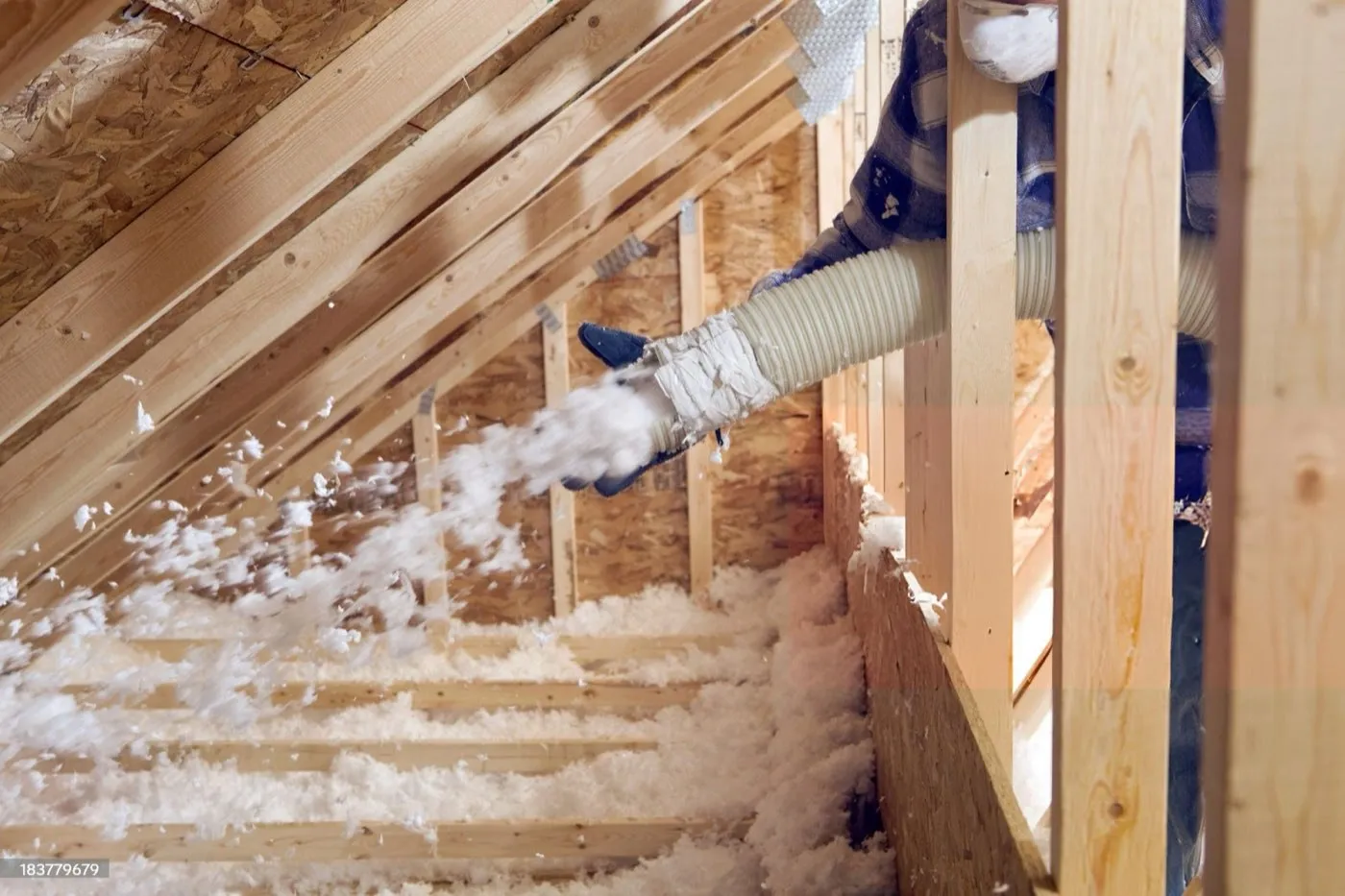
Fiberglass
- Widely used in batts or blown formats
- Primarily thermal insulation
- Can perform when installed carefully
- Air sealing may need separate work
Cellulose
- Loose-fill or dense-pack applications
- Common in attic retrofits
- Primarily thermal insulation
- Air-control strategy depends on the assembly
Sometimes the Roof Conversation Comes First
HeatShield is not only an insulation company. Roof condition and insulation performance can affect each other, especially in Chandler, Glendale, and Tucson properties.
If a roof is failing, leaking, absorbing heat, or creating moisture risk, the insulation plan should account for that. If the roof is sound and the attic or wall assembly is the weak point, spray foam may be the better starting place.
Questions People Ask Before Choosing Spray Foam
What does spray foam do that traditional insulation may not?
Spray foam can insulate and help reduce unwanted air movement when installed correctly in the right assembly.
Is spray foam always the right answer?
No. The right answer depends on the roof, attic, wall, access, moisture strategy, budget, and project goal.
How does Arizona heat affect the decision?
The roof and attic carry a large heat load in Arizona. That makes the relationship between roof condition, attic insulation, and air movement important.
Should I choose open-cell or closed-cell foam?
Neither is universally better. Open-cell and closed-cell foam serve different roles, so the building assembly should lead the decision.
You Do Not Have to Diagnose the Building Alone
Tell HeatShield about the property, the roof or attic concern, and the city.